KPMG Economics
A source for unbiased economic intelligence to help improve strategic decision-making.
What’s impacting labor market participation? Why are some sectors faring better than others? How do you separate the signal from the noise? KPMG Economics answers these questions and more, providing timely insight and analysis into the economic indicators. We monitor trends and identify potential opportunities that could impact your strategic objectives. Our perspectives look at both the short-term and long-term economic factors that are critical to guiding strategic decisions.
Our latest thinking






Subscribe to insights from KPMG Economics
KPMG Economics distributes a wide selection of insight and analysis to help businesses make informed decisions.
Economic Coordinates
Explore analysis of key data indicators, such as job creation and the labor market, consumer spending, inflation, investment, housing and monetary policy. These combined data points are indicators of the overall health of the economy.
No results found.

Retail sales strengthened in August
Consumers buy ahead of expected price increases.

Record wealth, fragile cushion
Wealth effects hurt more on the downside.

The drumbeat of inflation gets louder
Broad-based inflation is harder to dismiss as noise.

Consumers take on more debt
Lower- and middle-income households continue to be strained.

No results found.
Summer heat wave tips Fed’s hand
New grads tend to be last hired.

Labor market holds steady
Pay gap widens between job stayers and leavers.

Another negative month? TPS layoffs raise the stakes
Healthcare, leisure and hospitality most affected.

Hiring suffers a blow
A low-hire, low-fire labor market persists, but the mix is getting worse: labor demand is softening just as supply constraints keep inflation risks alive.

No results found.
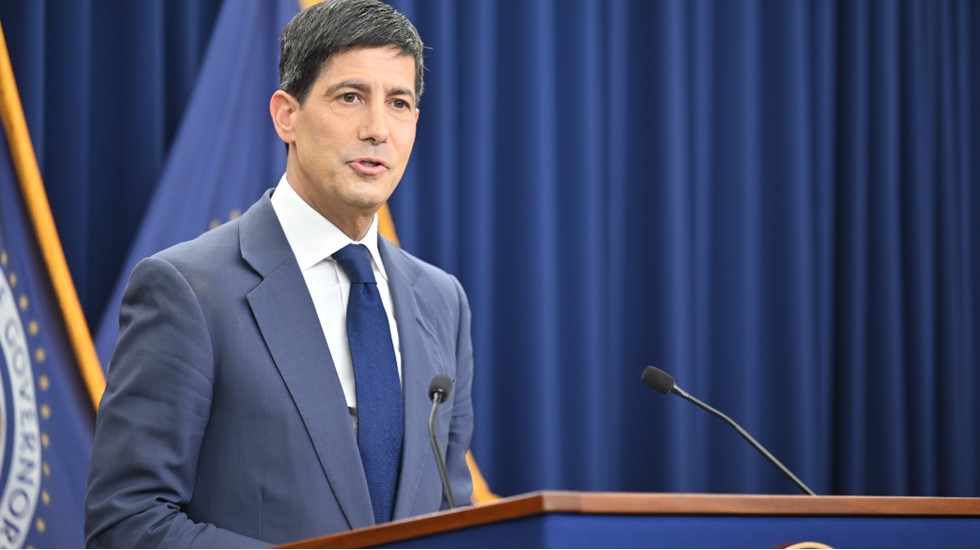
Warsh asserts Fed’s independence
Rate hiking cycle begins with unanimous vote.
Inflation Forces the Fed’s Hand
September's rate hike is expected to be the first in a series.
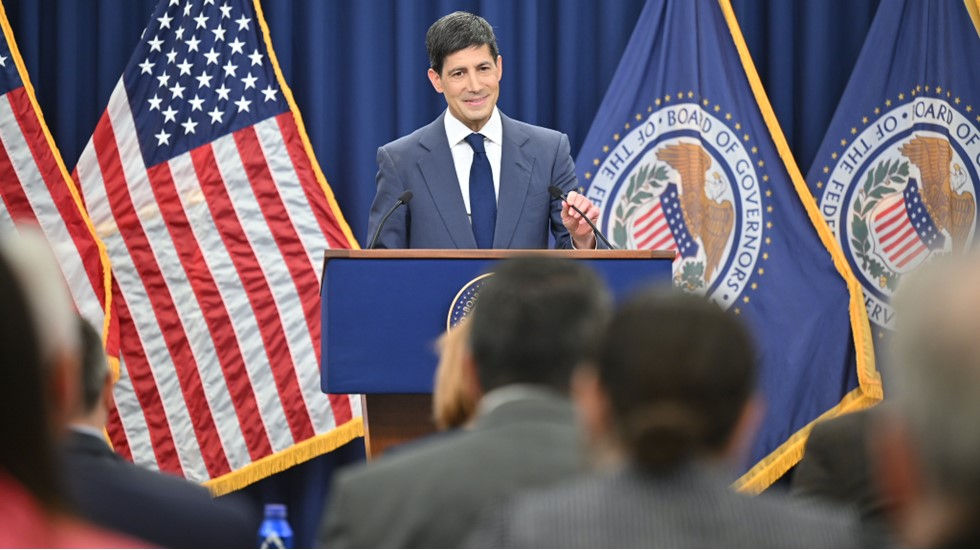
Warsh speaks, markets infer
No hand-holding.
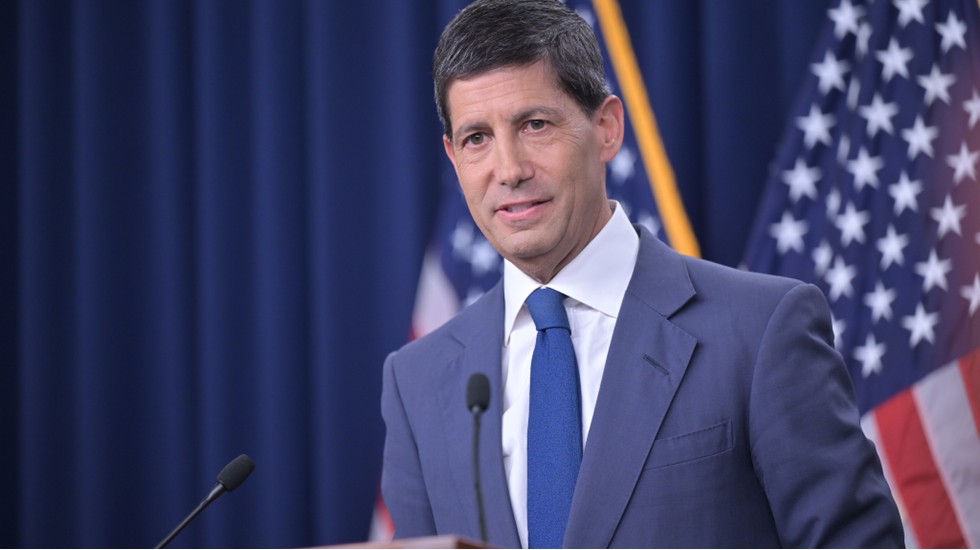
Warsh’s short-lived honeymoon
Three dissents at his second meeting.
No results found.
Rate hike hits frozen housing market
Fed starts tightening.

Housing market treads water
Builders sold fewer homes in July.

Home builders are not breaking ground
Builders remain pessimistic.
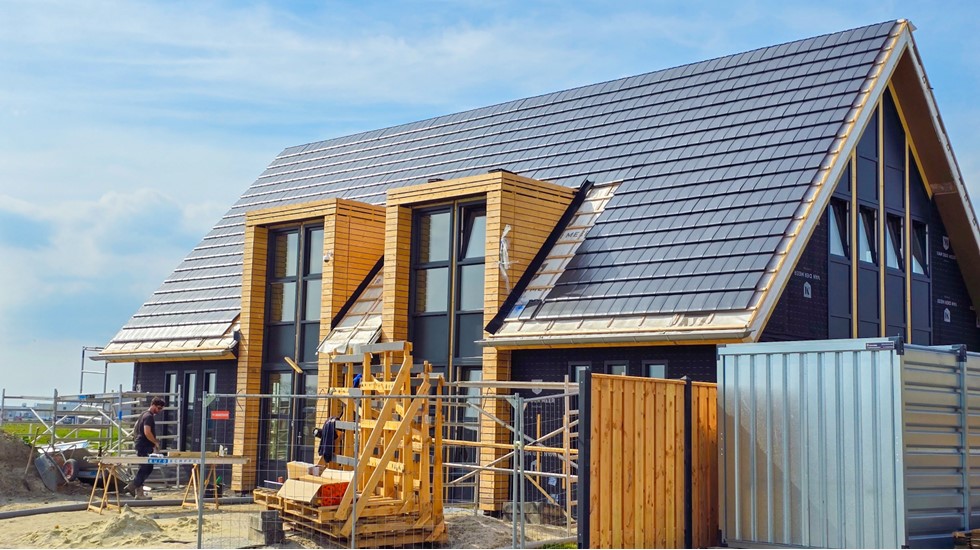
Builders are selling less pricey homes
June gains won’t last.

No results found.
Industrial production waned in August
Record heat juiced utility production.

AI boom drives deficit growth
Mexico is supporting US AI buildout.

Construction spending sinks overall
Data center construction hits record highs.
Front-running lifts orders
Numbers look good at first glance.





Global Economic and Geopolitical Outlook webcast
Reserve your spot: Uncertainty surrounding trade policy, energy markets and geopolitical developments continues to influence business decisions globally. Join KPMG's Global Economic & Geopolitical Outlook webcast on September 24 for timely insights into the forces shaping the operating environment and what they could mean for your organization.
KPMG Economics in the news:
- Why inflation in this country is so sticky
A fresh read on inflation, new home sales, durable goods, and more. But inflation is the big one, especially heading into the big economic policy gathering this week in Jackson Hole, Wyoming, where Fed Chairman Warsh is set to give a speech tomorrow. Here with more on what we learned from that inflation report is Diane Swonk, chief economist at KPMG.
August 27, 2026 | WAMU-FM
- War, tariffs and AI are keeping pressure on prices as inflation remains stuck at 3.7%
The Fed’s recent Monetary Policy Report identified three major sources of price pressure: the war with Iran, tariffs and demand connected to the AI boom. Gasoline and other energy goods fell 2.7% from June but were approximately 25% more expensive than in July 2025. “It really is hard to know when the conflict in the Middle East will be resolved,” Ken Kim, a senior economist at KPMG, said. Kim believes inflation may have peaked but warned that broad relief will take time. “So, it’s going to take a couple of years for inflation to get back to a level where the Fed’s comfortable.” Kim said the latest report also strengthens the case for the Fed to raise interest rates.
August 26, 2026 | KCRA TV
- Bessent Expands Threat of Secondary Sanctions on Iran
Treasury Secretary Scott Bessent signaled a tougher U.S. stance on Iran, warning that countries continuing business ties with the regime could face broader secondary sanctions. The administration also announced sanctions targeting nearly 60 entities involved in facilitating Iranian oil sales and suspended licenses allowing certain remittance payments to Iran. KPMG chief economist Diane Swonk commented on the policy's potential economic implications, noting, “It’s very difficult unless you’re really willing to do something like commit the entire Fed’s balance sheet to something.”
August 24, 2026 | Semafor
- Bond yields fall after Treasury’s surprise move to ease rates
Commenting on the new record deficit level, KPMG’s chief economist Diane Swonk said, “’We continue to outspend — [and] the spending demands are even greater with the war.”’
August 22, 2026 | Financial Times
- Fed Minutes Show September Rate Hike Still on the Table
KPMG U.S. Chief Economist Diane Swonk commented on X that recent weakness in inflation and labor market data reflects “look-through events” and emphasized that “September is still a live meeting for a hike.” The article underscores ongoing uncertainty around the Fed’s policy path as officials balance moderating economic data against persistent inflation concerns.
August 20, 2026 | Reuters
- Bond yields plunge after Treasury announces surprise move to ease rising rates
An announcement abruptly altered the “tentative buyback schedule” Treasury had released just two weeks ago. Earlier this week, the 30-year Treasury yield hit its highest level since 2007, only compounding already soaring interest costs the federal government pays on the massive national debt. The broader move higher in rates this summer accelerated after Fed chairman Kevin Warsh’s most recent press conference on July 29. Warsh offered little guidance, causing the bond market to begin second-guessing the Fed’s inflation fighting resolve. The Fed has “a credibility problem,” wrote KPMG chief economist Diane Swonk in an Aug. 11 note.
August 19, 2026 | NBC News
Subscribe to insights from KPMG Economics
KPMG Economics distributes a wide selection of insight and analysis to help businesses make informed decisions.
About our team