Warsh’s short-lived honeymoon
Three dissents at his second meeting.
July 29, 2026
The Federal Open Market Committee (FOMC) – the policy-setting arm of the Federal Reserve – voted to hold interest rates unchanged in July. The vote was not unanimous. The presidents of the Cleveland, Dallas and Minneapolis Federal Reserve Banks dissented in favor of a rate hike.
Dissents are rarely cast in a vacuum. They often reflect the views of those who either cannot vote at a given meeting or members of the Board of Governors who are more cautious about dissenting publicly. The core group of hawks within the Fed has hardened and broadened in recent months and now includes members of the board.
A dissenting vote by members of the Board of Governors carries heavier weight. They would hold back until they felt they absolutely could not. Those members who are leaning in the direction of a rate hike may not be as lenient in September, given the persistence of inflation.
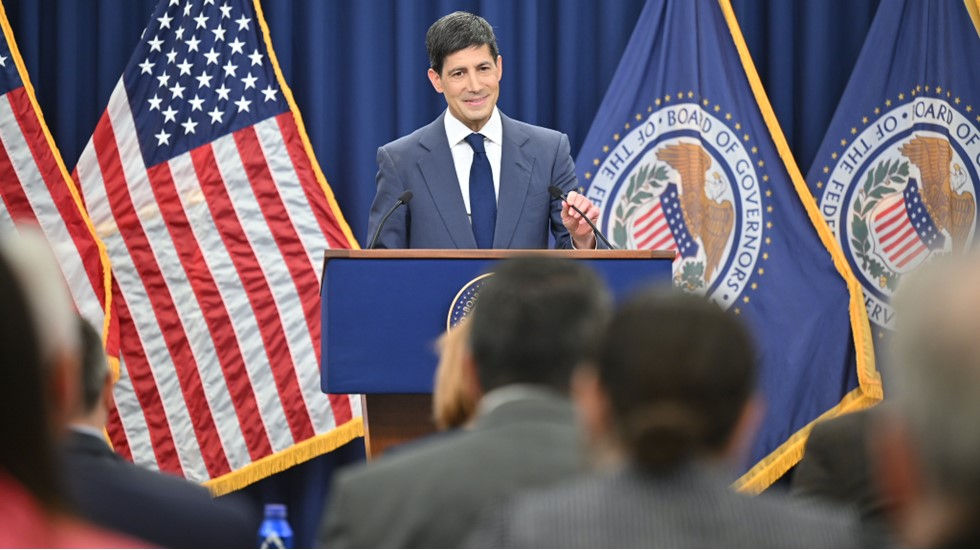
The statement following the meeting remained short, which is what Fed Chairman Kevin Warsh prefers. He won out on not altering the statement and not communicating where the Fed is going.
Warsh noted a material tightening in real interest rates in the interim period since the last meeting. He would not say the markets are telling him that the fed funds rate will go up.
Warsh highlighted four questions: 1) has the past really passed with regard to the persistence of inflation; 2) tariffs and wars; 3) the price hikes related to the AI boom, and; 4) how much of a role is the balance sheet playing in the overall outlook for inflation.
If inflation continues to be elevated, then rate hikes could be in the offering. Warsh argued that there may be some drifting in expectations. He emphasized that they take the shocks seriously and to what extent they are broadening in their effects. He argued that “our goal is to have growth that is broadening and inflation that is becoming more limited.”
Reality collides with theory
Warsh entered the Fed arguing that productivity growth from AI would eventually offset the rise in inflation we are enduring. The problem is that the costs of AI are landing before the boost to productivity can be scaled. There is little that compares to the sheer size of the data center boom and the upward pressure it is putting on prices.
The outlays are so large that they are crowding out other investments because of the cost and the specialized labor needed to build data centers. A surge in defense spending to replace ordnance and weapons lost to the war in Iran will only amplify those costs in the near term. Modern defense infrastructure also includes investments in AI.
Muscle memory
Another hurdle is the length of time inflation has been elevated. We are more than five years into the current bout of inflation. The risk is that inflation has become normalized; firms and households now have muscle memory on inflation. Ignoring that risk helped fuel the stagflation of the 1970s.
The Fed does not like to repeat the mistakes of the past. That does not prevent it from making new ones.
The persistence of service sector inflation, which is more sheltered from external shocks, is most worrisome to hawks. It was already accelerating in January and February, before the war started and added to overall pricing pressures. Preliminary data on inputs into the personal consumption expenditures (PCE) index suggest inflation did not cool as rapidly in June as the overall CPI did when energy prices retreated.
One reason is the persistence of what is known as the super core services measure of inflation, which likely jumped 3.7% from a year ago in June. That is nearly double the Fed’s 2% target and would require outright deflation across many goods prices to offset the overall inflation figures.
Fiscal stimulus helped blunt the blow of higher prices at the gas pump. Consumer spending accelerated in the second quarter at its fastest pace since the fourth quarter of 2024. That is good news, unless it helps inflation stick, which appears to be the case.
A higher noninflationary rate
Finally, the Fed is chasing a moving target. Its estimate of the noninflationary, or neutral, fed funds rate has risen from 2.4% in 2019 to 3.1% in June 2026. A pickup in productivity growth after the pandemic is the primary reason for that increase.
Some within the ranks of Fed leadership have debated whether it is even higher and closer to the current 3.5% to 3.75% target range. If that is the case, then a higher short-term policy rate is necessary to prevent inflation from becoming further entrenched.
Reporters in the press conference were clearly confused. They repeated that financial markets are looking for rate hikes – something that Warsh puts a lot of weight on. That should translate to rate hikes, but he refused to say that.
Financial markets are pricing in a 100% chance of a rate hike in September. Warsh assured the press that he would deliver on price stability, without committing to a rate hike.
There is a risk we will need more aggressive rate hikes to reduce inflation.
Diane Swonk
KPMG Chief Economist
Bottom Line
The core of hawks within the Fed has grown and hardened in its resolve to raise rates. The timing is less than ideal for a new Fed chair, but this is what an independent central bank is all about. We still expect two rate hikes in the latter part of the year. Financial markets are moving in that direction as well. Rate hikes and rate cuts tend not to be symmetric. There is a risk we will need more aggressive rate hikes to reduce inflation, which is due to both demand and supply factors. Shocks that persist can become systemic.
Explore more


Subscribe to insights from KPMG Economics
KPMG Economics distributes a wide selection of insight and analysis to help businesses make informed decisions.
Meet our team